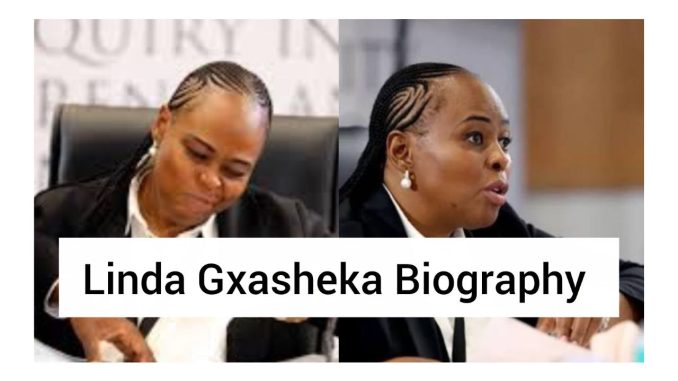
Linda Gxasheka Biography
Linda Gxasheka was born on March 14, 1975, in Gauteng. She grew up in South Africa and built a long career as a public servant. From a young age she showed a steady interest in public work and in helping organisations run smoothly. Her life before joining senior municipal service is quiet in public records. She kept much of her private life private, which is common for many civil servants. Linda Gxasheka is 50 years old as of 2026.
What is clear from public reports is that she moved into human resources work and made steady progress through different administrative roles over many years. By the time she reached senior leadership, she had gained wide experience in staff management, discipline processes, recruitment and employee relations. Those tasks shaped how she later handled larger, more visible duties in local government. Her birth date and place help fix a simple fact: she is a long-serving adult official who has spent much of her working life in the South African public sector.
Linda Gxasheka City of Ekurhuleni Metropolitan Municipality — Career
Linda rose through the ranks to become Head of Department for Human Resources at the City of Ekurhuleni. In this role she led HR for one of the biggest metropolitan councils in the Gauteng province. Her work covered many areas that matter to a city with thousands of staff. She managed hiring, pay administration, benefits, staff discipline, legal compliance and performance systems.
In a large municipality, the HR head must balance law, policy and public service needs every day. Her position required contact with other senior officials, union leaders and outside agencies. Over time her name became known not because she sought the spotlight but because the duties she held sit at the heart of how a city runs. She worked on complex cases where the law and local practice intersect, and she signed important documents that shaped the careers of employees across the city.
Public documents and a 2021 curriculum vitae that appears under the Gxasheka name show a long record in senior human resources positions. While a full academic history is not public, her work history points to practical experience in municipal administration. The HR head role also meant she had to respond to outside investigative reports and to act on disciplinary recommendations when needed. Her time in office tested both management skill and steadiness under pressure. Staff matters in big cities are often political and legally sensitive, and the person in charge of HR must navigate those pressures while following policy.
Linda Gxasheka Madlanga Commission of Inquiry — Controversies and Scandal
Linda Gxasheka’s public profile changed sharply when her name came up in hearings of the Madlanga Commission of Inquiry. The commission looks into alleged corruption, maladministration and political interference in municipal structures. In late 2025 the City placed her on precautionary suspension while the hearings continued. Precautionary suspension is an interim step used while an investigation runs its course and does not mean someone is guilty. That legal detail matters because media reports and public debate can sometimes confuse interim measures with final findings.
A key episode during the commission involved Gxasheka’s statements about Revo Spies. She told the commission that Spies took early retirement from Ekurhuleni and then went to work in another city, while still receiving a pension or medical subsidy from the municipality. Gxasheka said she was concerned that employees could take early retirement benefits and still be hired elsewhere without a clear check on double benefits.
At one point she accused Spies of defrauding the municipality, but then said she withdrew that fraud allegation and instead stated that Spies had misled the commission. Spies’s resignation letter was read in the hearings, and Gxasheka questioned whether his stated reasons for retirement matched his subsequent actions. The switching of her words — from a direct fraud accusation to a claim of misleading the commission — became a focus for journalists and for others giving evidence.
Other parts of the hearings raised serious and wider questions. Gxasheka was questioned about how the municipality handled recommendations from the Independent Police Investigative Directorate. Critics said she and other officials delayed or blocked disciplinary action against senior metro police figures. One of those figures is Brigadier Julius Mkhwanazi, whose suspension and alleged conduct were part of the wider inquiry. Those points drew attention because they suggest a breakdown in the systems meant to hold public officers to account. Gxasheka, however, told the commission she acted within her duties. She said she signed some suspension letters and that she feared for her safety after some decisions, explaining that tension and concern for personal risk shaped some actions.
The hearings also touched on theft and syndicate claims involving municipal equipment, such as allegations that certain construction vehicles were stolen and sold in another province. Those claims were part of a larger picture the commission examined, and Gxasheka answered questions about what the HR office knew and how it responded. In addition, the commission heard testimony from other senior officials, including statements about money and gifts tied to public functions.
One high-profile submission involved a businessman who admitted in a chat that he arrived at an event after withdrawing a large cash sum and intended to give money to a senior police official. That testimony fed media coverage and public worry about wider corruption networks. The commission also heard from senior police leaders, including a suspended deputy national commissioner, who gave evidence related to donations and family group chats that he used to dispute parts of the account.
Throughout these proceedings it is important to separate allegations from proven facts. Gxasheka has been served with internal charges and she faces disciplinary processes as part of the city’s response. The legal and administrative systems will need to follow fair procedures before any final conclusions are made. The public hearings, however, serve an important purpose. They bring to light how city systems work, and they expose where processes might be weak or open to misuse. Gxasheka’s case sits within a larger story about governance in South African cities and how public services can remain accountable to the people they serve.
While press coverage has focused on dramatic parts of the story, Gxasheka’s own testimony included statements about fear for her family’s safety and the difficulty of dealing with entrenched problems. She described advice she received to think about her safety after making tough disciplinary calls. Those human details give a fuller view of the stress public servants can face when they hold senior roles in sensitive settings. They also highlight the need for clear protection measures for officials who follow policy in difficult circumstances.
Linda Gxasheka Personal Life and Recent Developments
Public records do not disclose full details of Linda’s private life beyond the facts already noted. She is known mostly for her public role. Media summaries sometimes say she has children and that she keeps her private life away from public view, but those points are not well documented by independent sources. What is clear is that, as of early 2026, her name is linked to the high-profile commission hearings and the city’s internal proceedings. The outcome of those disciplinary and legal processes is not yet settled, and the commission will continue to gather evidence and make recommendations.
Recent media attention has focused on the commission’s wider work, including testimony by other officials and the hearing of evidence about alleged wrongdoing in multiple public institutions. These days, Linda Gxasheka’s story is part of a public conversation about how cities manage staff, how they respond to complaints, and how they balance protection for employees with accountability. That conversation matters to many people because stable, honest municipal management affects the services citizens receive every day.
The facts given here include Linda’s birth date, her role as a human resources head, her suspension in December 2025, her testimony regarding Revo Spies and other officials, and the ongoing nature of inquiries and administrative processes. Anyone reading this biography should understand that hearings are public fact-finding processes, not final judgments. The legal and internal remedies that follow will determine whether charges lead to discipline or whether other outcomes occur.
In the months ahead, observers will watch how the commission finalises its report, how the city acts on any recommendations, and how the legal process treats those who face internal charges. For now, Linda remains a central figure in an important public discussion about good governance in local government.
In plain terms, Linda Gxasheka is a career public servant who rose to a senior human resources role, faced a high-profile suspension tied to commission hearings, answered questions about other senior officials and village-wide problems, and now waits for formal outcomes from both the commission and the city’s internal processes. Her case shows how complex human resources work can become when it meets law, politics and strong public interest.
Conclusion
Linda Gxasheka’s biography is a clear example of how a long career in public service can suddenly become central to national scrutiny. Born on March 14, 1965, in Gauteng, she worked her way to head the HR department for a major metropolitan council. Her testimony at the Madlanga Commission and her suspension in December 2025 placed her in a spotlight that mixes personal stress, legal procedure and public debate. The full facts will only become clear when the commission completes its work and when the city’s disciplinary steps are finished. Until then, Gxasheka’s story remains one part of a wider effort to improve governance and accountability in local government.
FAQs
Why was Linda Gxasheka suspended?
She was placed on precautionary suspension in December 2025 while the Madlanga Commission of Inquiry examined allegations of corruption, maladministration and other governance failures involving several municipal officials. Precautionary suspension is an interim measure and not a finding of guilt.
What did Linda Gxasheka say about Revo Spies?
In commission testimony she read and questioned Revo Spies’s resignation letter and raised concerns about him taking early retirement and then accepting another municipal post, while still receiving benefits from Ekurhuleni. She first described those facts in strong terms, later withdrawing a direct fraud allegation and saying instead that Spies had misled the commission.
What is the Madlanga Commission of Inquiry?
The Madlanga Commission is a judicial inquiry set up to investigate claims of corruption, maladministration and political interference in municipal structures. It hears testimony from many officials and makes recommendations based on evidence presented.

Kelly John is a science writer who focuses on plant biology, space, and rock formation, and who reports on the top trends in those fields. He holds a BSc and an MSc in Plant Science and has 12 years of experience turning technical research into clear, easy-to-read articles.
Leave a Reply